
Latest News
No longer sowing commercial flasks
With regret we can no longer accept work for sowing commercial flasks for customers. We have had to make the decision due to a whole bunch of factors that ultimately mean that it doesn’t make business sense to continue doing so. If you have a pod of something particularly rare and desirable that you need sown, please do contact us, as we may be able to help and come to an arrangement.
We will still continue to offer quality flasks of our own plants and donated pods/seed.
We’re now more flexible than ever
As part of the all the recent website upgrades, we now accept payment in 7 major currencies and now offer direct credit card processing instead of via PayPal. Also supported is Apple Pay and Google Pay. For regions with a supported currency, it should in most instances detect what country you are in.
It’s been a while…
2023 was a year we’d probably care to forget for many reasons I won’t go into. However there is renewed enthusiasm for 2024. To kick off the year, we’ve listed a bunch of flasks on the site. Hopefully a good selection of things to interest almost anyone. There will be a lot more listings to come over the weeks, here and eBay.
About Us
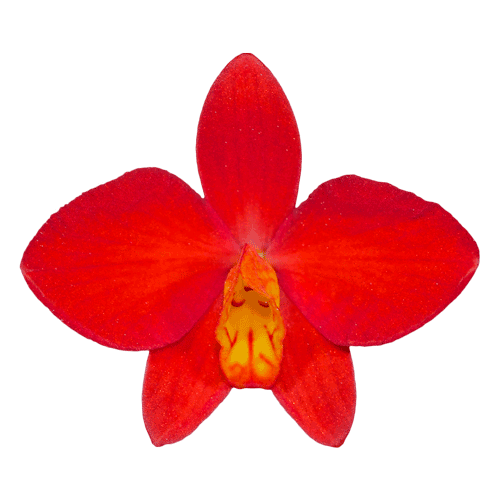 Western Orchids / Laboratories is run by Kevin Western and is situated at Coromandel East in South Australia. We have been in business since 1985, selling a range of tissue culture media, orchid species and hybrids in flask and comprehensive orchid tissue culture courses enabling people to become proficient at producing orchid seedlings and clones.
Kevin was a Compounding Pharmacist who, among many other things pharmaceutical, was specialised in providing sterile intravenous nutrition fluids for human adults and newborns for 43 years. His experience in that area ultimately led to the development of our quite unique range of nutritious tissue culture medium for orchids and other plants.
He has been a major contributor to trace element requirement studies of newborns and adults. Some of his formulae generated in the late 80’s are still in commercial use.
Kevin developed a pharmaceutical compounding centre in a major hospital which has given him invaluable knowledge and capability as a consultant in matters of formulae, practices, processes, facilities, equipment and aseptic technique.
This knowledge has extreme parallels in the orchid tissue culture industry.